

Skiing and snowboarding are exciting recreational activities that allow you to enjoy the winter landscape while achieving new goals. Whether you are a beginner snowboarder or an experienced skier, these activities also come with inherent risks of physical injuries because of the high speeds and unpredictable terrain they involve. Fortunately, wearing the proper gear, stretching and knowing your limits are great ways to be proactive about accident prevention.
Unfortunately There Are Still Some Factors
Unfortunately, there are still some factors that are outside of your control. While you can check the weather and be alert for hazards in your path, you could still experience injuries from other people’s negligence. Or, you could sustain an injury that occurred from a faulty piece of equipment or an improperly maintained trail. Either way, knowing which injuries are the most common to occur helps you prepare for handling them and know what to do should the worst happen during your favorite outdoor pursuits.
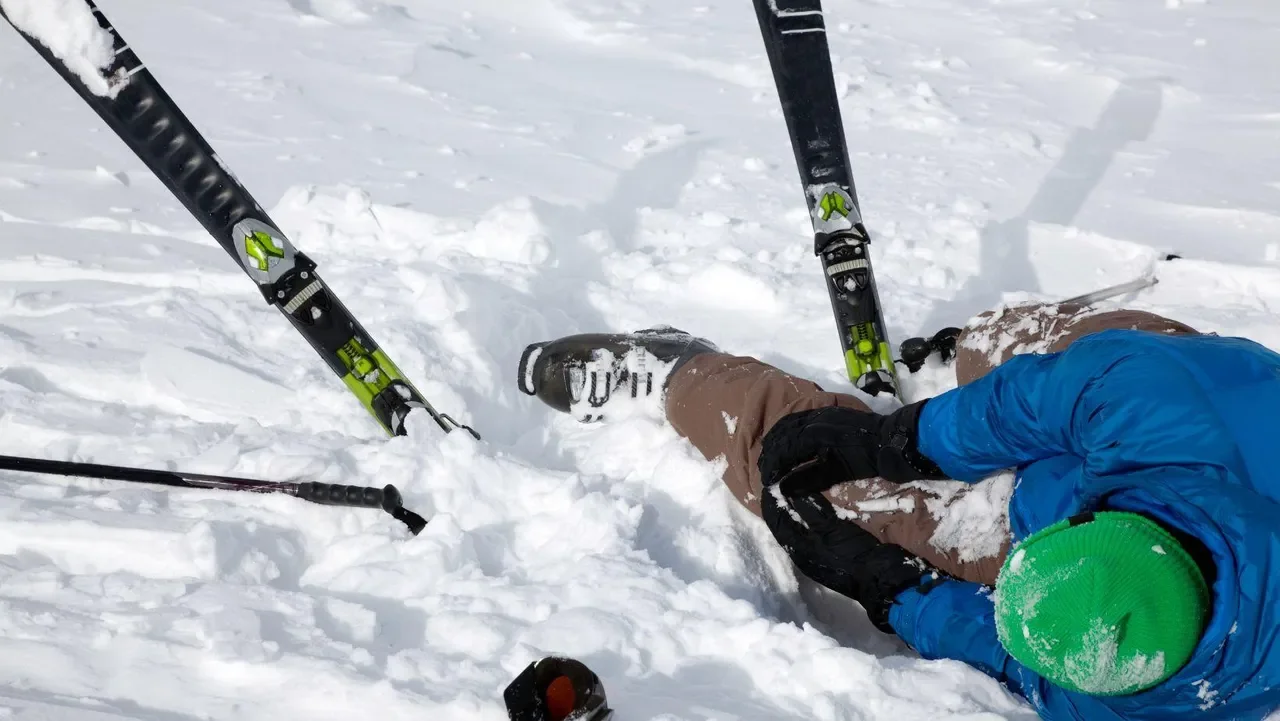
Knee injuries are common among skiers and snowboarders because of the forces that are placed on this joint, especially when you twist and turn to maneuver your way down a hill. Anterior cruciate ligament and meniscus tears commonly result from twisting movements that put tremendous pressure on the knee joint. You might also experience a major sprain or tear when you suddenly change directions or fall while you are skiing. Leg and ankle fractures can also occur when you lose control or collide with an object. Landing awkwardly as you come over a jump could also cause a bone fracture, especially if you experience an equipment failure.
Avoiding Jumps and Runs That Are Advanced
Avoiding jumps and runs that are advanced for your level can prevent many awkward landings and injuries from excessive forces. But, you might also need to note other elements of the accident that could contribute to a significant injury. For instance, rented equipment and clothing can sometimes have issues that cause them to fail to provide the proper support. Damaged bindings might cause your foot to fall out of the preferred position on your skis or snowboard. Meanwhile, damaged skis or poles could cause you to lose the stability you expect to have as you maneuver your way through a trail. Collisions with an object in your path could also be due to poorly maintained ski runs that shouldn’t have branches or other potential hazards where you expect them to be smooth.
If you picture yourself falling, then you most likely can visualize your arms and hands coming out fast to try to brace you from the impact. Bracing during a fall can easily lead to wrist and shoulder injuries that impact your life long after ski season is over. Returning to your normal job duties after your winter vacation might be impossible if a wrist injury makes it hard to type, wield a hammer or use other types of equipment to perform your job duties.
Keep Between a rock and the next thing, Brad Gushue reflects on his inner turmoil in mind when you compare options.