

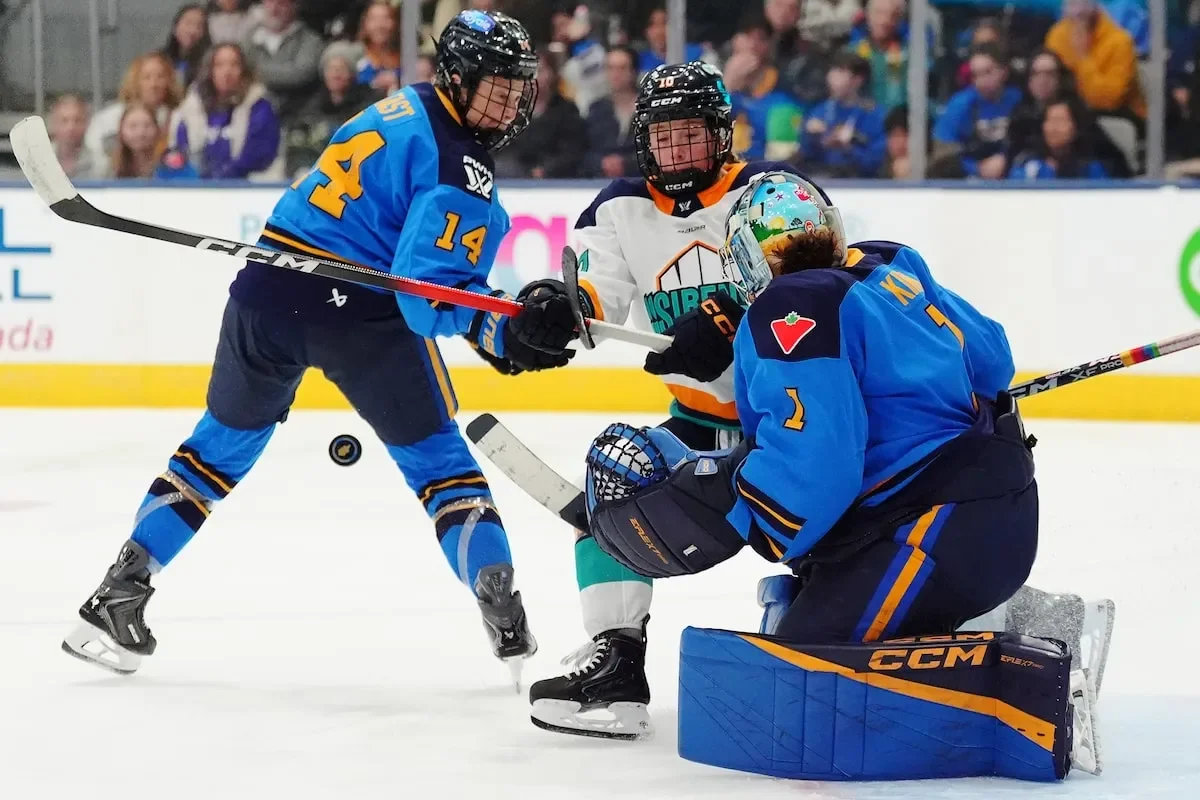
The recent wave of women’s professional leagues and teams hitting Canada has piqued girls’ interest in sport, but a report says participation gaps still remain.
2026 Rally Report by Canadian Women and Sport
The 2026 Rally Report by Canadian Women and Sport found seven in 10 girls surveyed are fans of pro sports, and one in two say the arrival of the Professional Women’s Hockey League, soccer’s Northern Super League and the WNBA’s Toronto Tempo over the past three years has increased their enthusiasm for playing sport.
Girls’ participation in sport held steady since the last Rally Report in 2024, but six in 10 girls playing organized sport weekly remains lower than boys. By their late teens, nearly one in four girls quit organized sport.
Allison Sandmeyer-Graves, chief executive officer of Canadian Women and Sport, noted that four years ago the Canadian market lacked consistent professional teams in leagues, whereas they exist now, which was expected to impact girls.
Girls are fans, with seven in 10 saying they are fans of the sports and gaining access to role models, inspiration and encouragement, which also benefits professional sports needing fans. Sandmeyer-Graves added that what is even more powerful is that one in two say having the leagues in Canada is increasing their interest in playing.
A useful companion piece is Man United stages another stunning comeback to draw 4-4 with Aston Villa.
Professional Sport Is Bringing Something New Exciting
Professional sport is bringing something new, exciting and promising to the girls’ sport ecosystem, but the work of supporting them to actually translate that into play still remains.
Canadian Women and Sport first published the Rally Report in 2016 and has done so biennially since 2020. A survey of 4,500 Canadians aged six or older, including 1,960 girls aged 6 to 18, provided data for the 2026 edition.
For the first time, the Rally Report also sought direct input from focus groups of 18 girls aged 13 to 18 across Canada, incorporating their comments into the report.
A 15-year-old participant in the focus groups explained that upon entering high school, schools offered only one team for girls compared to two for boys, leaving many girls feeling inadequate to try out because only 10 to 12 spots were available for roughly 40 interested students.
The dropout rate of girls starting at age 16 creates a gender chasm of participation. The report found a 31 per cent difference between men and women in sport participation between the ages of 19 and 25.
Sandmeyer-Graves Also Expressed Concern over a Five Per
Sandmeyer-Graves also expressed concern over a five per cent drop in girls from lower-income households playing sport, alongside a decline in participation by both girls and boys aged 6 to 8 compared to 2024.
She pointed to a larger story surrounding the affordability of sport and life in general.
The report states that while four in five girls who play sport describe their experience as positive, over half of those who left sport reported not feeling confident, supported or safe to participate.
Sandmeyer-Graves emphasized that hearing half of the girls who left sport felt lacking in confidence, safety and support points directly to the areas requiring attention, focusing on which aspects of the experience matter to girls and make a difference in keeping them in sport.
The sport system needs to capitalize on girls’ rising interest in sport, she said.