

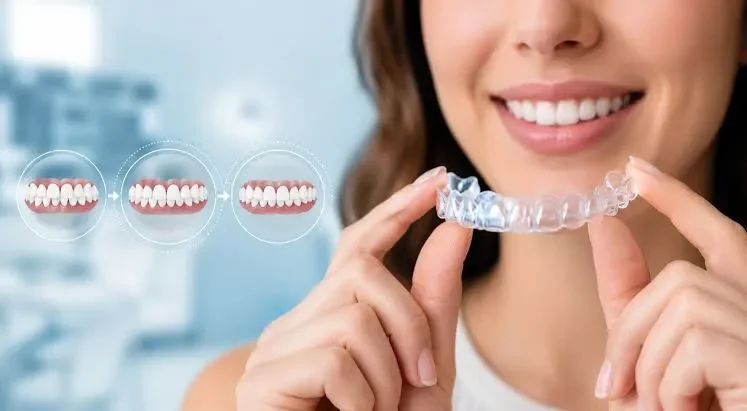
Straightening your teeth is a personal decision, but choosing an orthodontic treatment involves more than thinking about the finished result. Your daily routine, professional commitments, eating habits, and social life can all influence which option feels most suitable. Clear aligners have become a popular alternative to traditional fixed braces, offering a discreet and removable approach to teeth straightening. However, they also require consistency, planning, and a willingness to make certain adjustments. Before committing to treatment, it is worth understanding how clear aligners could fit into different aspects of everyday life.
Daily Life in Clear Aligners
For many adults, appearance is an important consideration when exploring orthodontic treatment. People working in customer-facing roles, attending regular meetings or giving presentations may feel uncomfortable wearing noticeable braces. Clear aligners are made from transparent plastic and fit closely over the teeth, making them less obvious than traditional metal braces. This can appeal to professionals who want to improve their smile without drawing attention to their treatment. However, aligners are not completely invisible, and some patients need small tooth-colored attachments to achieve particular movements. These can make treatment slightly more noticeable. Speech is another consideration. Some people experience a temporary lisp when they first begin wearing aligners, although this often improves as they become accustomed to them. For anyone whose job involves frequent speaking, allowing time to adjust before an important presentation or event may be sensible.
One of the biggest differences between clear aligners and fixed braces is that you can remove them during meals. With traditional braces, certain foods can be difficult to eat because they risk damaging brackets or wires. Clear aligners allow people to continue enjoying their usual meals without the appliances in place. However, this flexibility comes with additional responsibilities. Aligners generally need to be worn for around 20 to 22 hours each day, depending on the treatment plan. A closely related look at How Family Dentistry Helps Identify Habits That Affect Everyone’s is worth reading alongside this.
This means removing them for meals, cleaning your teeth, and putting them back in promptly. Frequent snacking can become inconvenient, especially when you are away from home. Drinking habits also matter. Plain water is generally suitable while wearing aligners, but hot drinks can distort the plastic, while sugary or acidic beverages can become trapped against the teeth. People who regularly enjoy coffee throughout the working day may need to reconsider how they manage their breaks.
Clear aligners require a considerable amount of personal responsibility. Unlike fixed braces, which remain attached to the teeth, removable aligners work as intended only when worn consistently. Someone who enjoys structured routines may find this relatively straightforward. However, people who frequently forget everyday tasks or have unpredictable schedules might find the commitment more challenging. Aligners usually need to be removed before eating, stored safely, and cleaned regularly. Patients must also switch to new aligner trays as directed by their dentist and attend scheduled appointments to monitor progress. For those considering aligner treatments, discussing daily habits during an initial consultation can help establish whether this approach is appropriate. Being realistic about your ability to follow the recommended wearing schedule is just as important as understanding the potential cosmetic benefits.
Events, Photographs, and Social Schedules
Weddings, birthdays, holidays and social gatherings can all influence how people feel about starting orthodontic treatment. Clear aligners may appeal to those who want a discreet option during photographs, celebrations and other important occasions. Their removable design also offers flexibility, although they should only be removed for the recommended activities and periods. For example, attending a dinner party may involve removing aligners before eating, finding somewhere suitable to store them, and cleaning your teeth afterward. This can require a little preparation, especially when attending events without convenient bathroom facilities. Anyone planning a major occasion should also discuss their treatment timeline with their dentist. Orthodontic progress varies between individuals, and there is no guarantee that treatment will be completed by a particular date.
Good oral hygiene is essential during orthodontic treatment, regardless of the appliance being used. Clear aligners make brushing and flossing easier in some respects because they can be removed, allowing normal access to the teeth. However, they also introduce additional cleaning responsibilities. Food particles and bacteria can become trapped when aligners are replaced without adequate cleaning. Over time, this may contribute to unpleasant odours, tooth decay or gum problems. Patients should follow their dental professional’s advice about cleaning their teeth and aligners, particularly after meals. It is also important to avoid cleaning aligners with excessively hot water, as this may damage their shape. People who already maintain a consistent dental hygiene routine may find these adjustments manageable. Others might need to develop new habits before beginning treatment.
Cost is another important factor when choosing orthodontic treatment. Clear aligner prices vary depending on the complexity of the case, the length of treatment and the provider. More complicated tooth movements may require additional appointments, refinements or alternative treatment approaches. Rather than focusing solely on the advertised starting price, patients should ask what is included in their treatment package. This might involve discussing consultation fees, scans, replacement aligners, retainers and follow-up appointments. It is also worth remembering that orthodontic treatment does not necessarily end when the final aligner is removed. Retainers are generally needed to help prevent teeth from gradually shifting back towards their previous positions. Following the recommended retention plan is an important part of protecting the results. Understanding these ongoing responsibilities can help people make more informed financial decisions.